


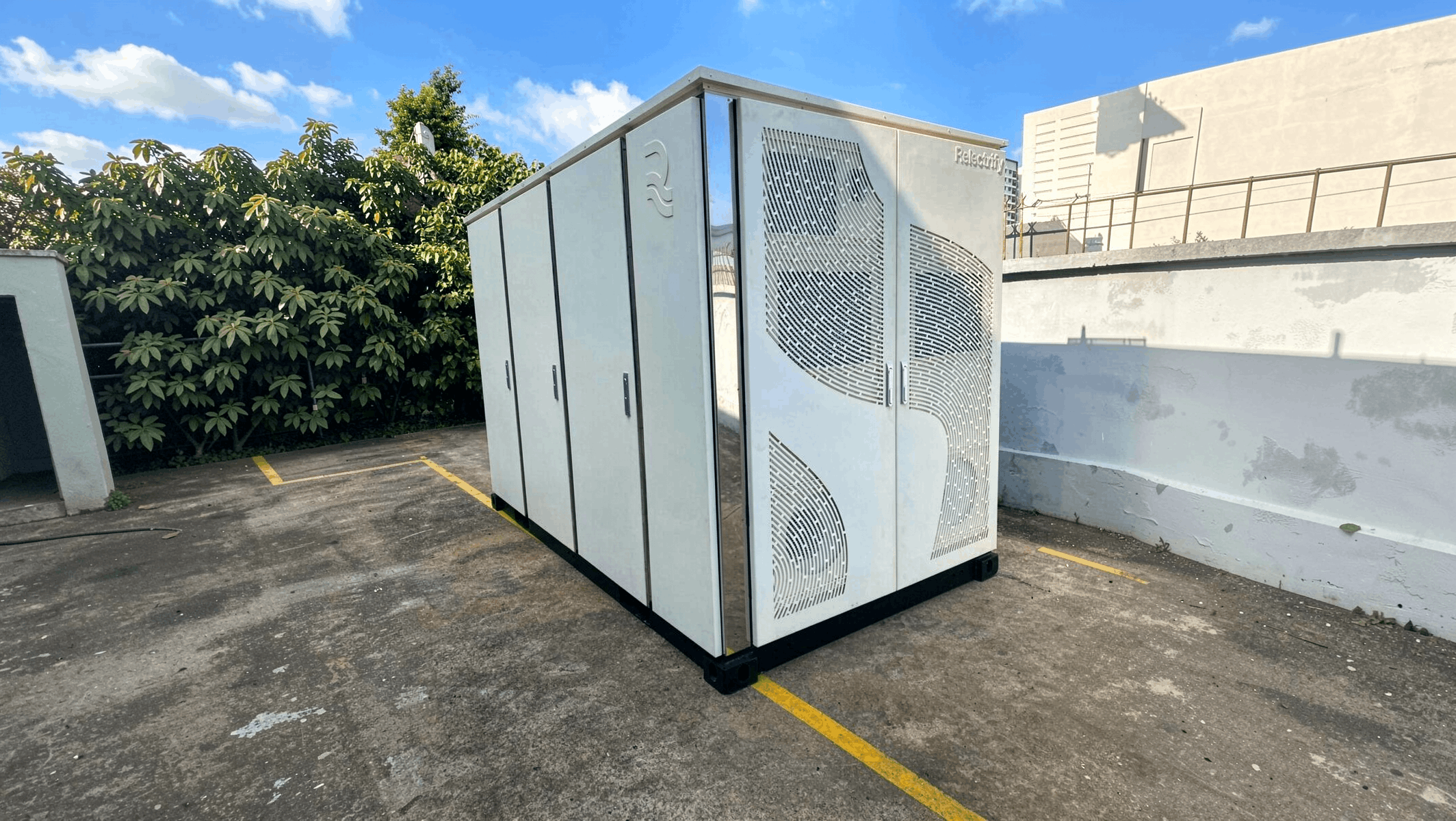
The rapid expansion of solar energy and battery storage systems is creating a dangerous new challenge for the renewable energy sector. A new 2026 Solar Risk Assessment report has warned that fires, battery faults, and equipment failures are becoming major threats across solar plants and energy storage facilities worldwide. The findings are raising fresh concerns about the growing reliance on lithium-ion battery systems in solar infrastructure.
According to the report, the next wave of risks in the solar industry is no longer coming mainly from external factors like storms or wildfires. Instead, many dangers now originate within solar plants themselves, particularly from faulty components, overheated systems, and lithium battery storage failures.
One of the most alarming findings involves lithium iron phosphate (LFP) batteries, which are now widely used in utility-scale battery energy storage systems. Industry analysts say these batteries are showing increasing state-of-charge inaccuracies, making it difficult for operators to accurately monitor available energy and system health. In large-scale storage plants, even minor miscalculations can trigger overheating, performance failures, and thermal runaway incidents.
The report also revealed that nearly 75% of utility-scale battery sites are already showing early signs of HVAC-related thermal anomalies. In simple terms, cooling systems designed to prevent batteries from overheating are failing or underperforming. Experts warn that if these warning signs go unnoticed, they can quickly escalate into uncontrollable lithium battery fires.
Unlike ordinary electrical fires, lithium battery fires burn at extremely high temperatures, release toxic gases, and are very difficult to extinguish. Fire crews often require large amounts of water and specialized suppression methods to control these incidents. Several battery storage fires across the United States and Europe have already triggered evacuations, raised environmental concerns, and caused significant financial losses in recent years.
The report further highlights that 84% of solar-related fire incidents are now equipment-driven, meaning the ignition source comes directly from the solar infrastructure itself. Faulty connectors, damaged junction boxes, overheating inverters, and defective battery systems are increasingly causing fire outbreaks in renewable energy projects.
Future Thoughts
As solar and battery installations continue to expand globally, many experts believe the industry is moving faster than safety systems and regulations can keep pace. Poor manufacturing standards, low-cost battery imports, lack of inspection systems, and increasing pressure for rapid deployme