


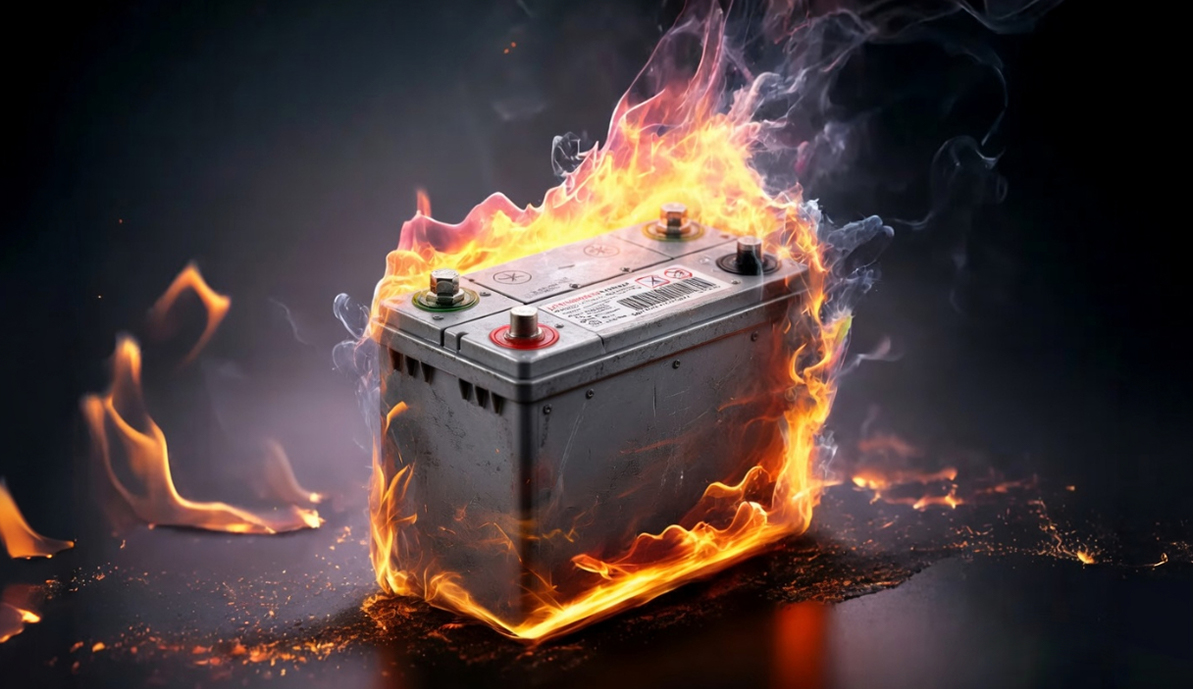
The rapid rise of lithium-ion batteries across consumer electronics, electric vehicles, and renewable energy storage systems has brought unprecedented technological progress. However, industry experts warn that these batteries pose a serious and escalating safety challenge for recycling facilities worldwide.
Recent industry commentary and waste-management reports suggest that lithium-ion batteries are increasingly responsible for fires, explosions, and hazardous incidents in recycling plants, posing threats to workers, infrastructure, and surrounding communities. As battery use continues to expand globally, the risks associated with their disposal and recycling are becoming harder to ignore.
Hidden Hazard in the Recycling Stream
One of the biggest challenges recyclers face is that lithium-ion batteries often enter recycling streams unintentionally. Small batteries from phones, laptops, tools, and household electronics are frequently discarded together with scrap metal or general recyclables.
When these batteries reach recycling facilities, they may be crushed, punctured, or exposed to heat during processing. Under such conditions, lithium-ion cells can ignite or explode, triggering intense fires that spread rapidly.
Industry operators report that detecting these batteries during high-speed recycling operations is extremely difficult. Some scrap facilities process more than 100 tons of metal per hour, making it nearly impossible to visually identify small batteries hidden within mixed materials.
Once damaged, lithium-ion batteries can enter a state known as thermal runaway, a chain reaction that rapidly increases temperature and releases flammable gases. These fires burn hotter and faster than conventional fires and can be extremely difficult to extinguish.
Thousands of Fires Linked to Lithium Batteries
Data from the waste-management sector highlights the growing scale of the problem. Industry estimates indicate that more than 5,000 fires occur each year at recycling facilities, many of which are linked to lithium-ion batteries incorrectly disposed of in recycling streams.
These incidents can destroy expensive equipment, halt facility operations, and endanger workers. In some cases, entire recycling plants have been damaged or forced to shut down after lithium battery fires.
Municipal waste systems are particularly vulnerable. Recycling trucks and waste collection vehicles have also caught fire due to improperly discarded lithium batteries, highlighting the risks faced by sanitation workers and public infrastructure.
Environmental authorities warn that discarded lithium batteries can be classified as hazardous waste because they are highly reactive and can ignite if damaged or improperly handled.
Environmental and Health Risks
Beyond fire hazards, lithium-ion battery recycling presents additional environmental and health risks. Some battery components contain chemicals that can release toxic gases during recycling processes or high-temperature treatment.
For example, certain polymer binders used in lithium batteries may release hydrogen fluoride gas when heated, a highly corrosive and dangerous substance that can cause severe respiratory damage and chemical burns.
Workers involved in battery processing and recycling operations must therefore handle these materials with specialised safety procedures, protective equipment, and advanced containment systems.
Industry Calls for Urgent Solutions
Experts say the growing problem of lithium battery waste requires coordinated action among manufacturers, recyclers, and regulators.
One proposed solution involves embedding tracking technologies such as RFID tags into batteries to help recycling facilities identify and remove them before they enter shredding equipment. Improved battery labelling, dedicated collection systems, and stricter disposal guidelines are also being discussed.
As lithium-ion batteries continue to power modern technologies, industry leaders emphasise that proper end-of-life management will be critical. Without stronger systems to safely manage battery waste, the recycling sector could face increasing safety incidents and operational disruptions.
The message from waste management experts is clear: lithium-ion batteries may be technological marvels during their lifespans, but once they enter the waste stream, they can quickly become hazardous and require urgent attention.
Read the Latest Battery News Shaping the Global Power Market
