


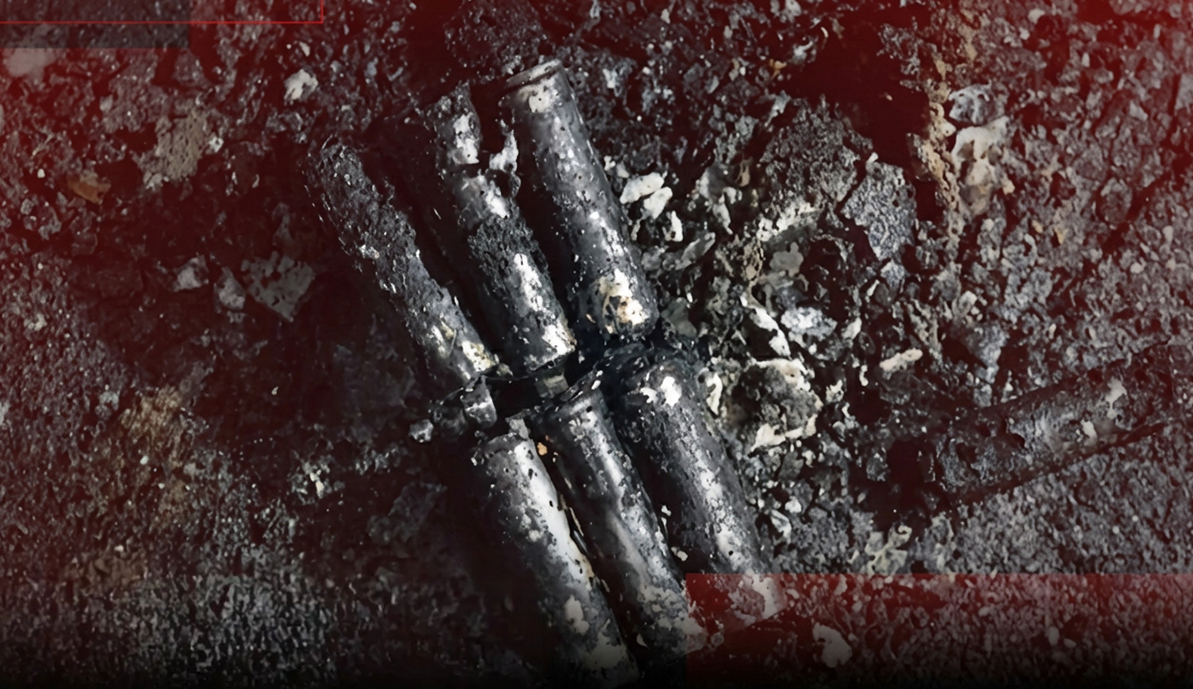
The rising use of lithium-ion batteries in everyday household devices is creating a new safety challenge for homeowners. A recent investigation has highlighted how these batteries, commonly found in electronics such as headphones, power banks, and portable gadgets, are increasingly linked to residential fires, raising concerns among fire safety experts.
The warning comes after a troubling incident in Michigan, where a family experienced two lithium-battery fires in their home within just two weeks. The events have intensified calls for greater awareness about the potential dangers of lithium-ion batteries when used or stored improperly.
Two Home Fires in Two Weeks
According to the report, the Michigan family faced two separate fires caused by lithium-ion batteries in their home. The first incident began in their garage after a pair of headphones left inside a car overheated and caught fire. Just twelve days later, a portable battery pack in the family’s home office ignited, forcing another emergency evacuation.
Both fires were linked to thermal runaway, a dangerous chain reaction that occurs when a lithium-ion battery overheats and begins releasing flammable gases. Once this process begins, the battery can quickly catch fire or explode, creating intense heat and toxic smoke.
While the family managed to escape safely, the fires caused significant damage. Their vehicle was destroyed in the garage fire, and parts of their home had to be boarded up after the second incident, forcing them to temporarily relocate while repairs were underway.
Why Lithium Batteries Can Become Hazardous
Lithium-ion batteries store a large amount of energy in compact cells, making them highly efficient for powering modern electronics. However, this high energy density also means they can become unstable under certain conditions.
Experts say overheating, physical damage, manufacturing defects, or improper charging can cause internal short circuits inside the battery. When this happens, temperatures can rise rapidly, triggering fires or explosions. Lithium-ion batteries also contain flammable electrolytes that can ignite once the cell ruptures or overheats.
In residential settings, these fires can spread quickly because they often start in enclosed spaces such as garages, offices, or bedrooms. The smoke released during battery failure can also contain toxic chemicals, posing additional health risks for occupants.
A Growing Global Safety Concern
The Michigan incident reflects a wider trend of increasing lithium battery-related fires. Fire departments and safety agencies around the world are reporting an increase in residential incidents involving devices powered by rechargeable lithium batteries.
From e-bikes and scooters to household electronics and power tools, these batteries are now present in millions of homes. As their use continues to expand, experts warn that the number of battery-related fires could rise if safety awareness does not keep pace.
A Warning Ignored
Safety officials emphasise that lithium-ion batteries must be handled carefully throughout their lifecycle. Damaged batteries should never be used, and devices should always be charged with approved chargers and monitored during charging.
Proper disposal is also critical, as throwing lithium batteries into general waste can create additional fire hazards.
As homes become increasingly filled with battery-powered technology, the recent incidents serve as a reminder that lithium-ion batteries, while convenient, can pose serious risks if not managed responsibly. Greater awareness and safer handling practices will be essential to prevent similar incidents in the future.
Read the Latest Battery News Shaping the Global Power Market
