


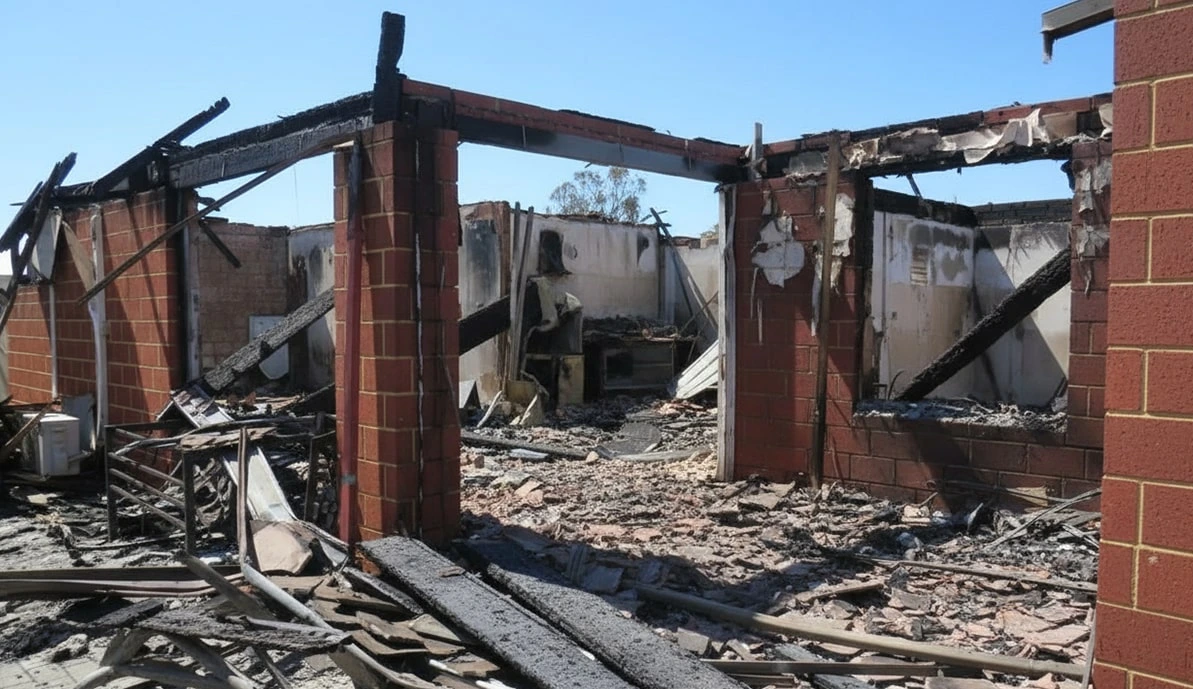
Fires involving lithium-ion batteries have risen dramatically across Western Australia, according to figures from the Department of Fire and Emergency Services (DFES). In 2025 alone, the number of such incidents has already nearly doubled the tally recorded during the entire year of 2020.
So far this year, firefighters have responded to 94 residential fires involving lithium-ion batteries in WA, compared with just 49 recorded in all of 2020. On average, that works out to roughly three such fires each week.
DFES warns that the increasing prevalence of battery-powered devices and poor charging or storage practices are contributing to the growing risk. Nearly one-third of the fires in 2025 occurred while the device or battery was not even being charged at the time.
Households using laptops, power banks, e-rideables (such as e-scooters), power tools, and similar devices have been identified as familiar sources of the problem. In particular, 19 of the fires this year were linked to e-rideables.
DFES Commissioner Darren Klemm stressed that even devices often regarded as low-risk, such as battery-powered vacuum cleaners, power tools, and household electronics, are significantly contributing to fire risk:
“A lot of people don’t realise in particular, with a battery-operated vacuum cleaner, that is not something that should be stowed away in the laundry cupboard on charge,” he said.
The cause of many of these fires is what DFES calls a “thermal runway”, a chain reaction inside a damaged, overheated, or improperly stored battery that leads to rapid heat buildup, explosion, or the emission of toxic gas. Poor-quality, damaged, over-charged, or incorrectly stored batteries are all cited as risk factors.
WA’s Emergency Services Minister Paul Papalia noted that the devices, which now pose a serious fire risk,
“are something so common now that people potentially don’t see them as the danger they represent.”
He encouraged consumers to purchase devices from reputable local suppliers and to check for certification and compliance with safety standards.
In response, DFES has issued clear safety recommendations for households:
- Charge lithium-ion battery devices on a hard, non-flammable surface away from beds, carpets, or couches.
- Avoid leaving devices unattended while charging, and take them off charge overnight or when you are sleeping.
- Ensure that smoke alarms, especially those located in garages or carports, are installed and functioning correctly. Many incidents begin in these lesser-used areas.
- Regularly inspect devices and batteries for signs of damage, warping, overheating or tampering. Dispose of suspect units via approved recycling schemes (for example, via the Recycle Right WA portal).
A Warning Ignored
The sharp rise in incidents highlights the rapid adoption of battery-powered technology. From e-scooters and power banks to household cleaning tools, there is an awareness of the fire risk these items carry. Experts say staying alert to proper charging practices, quality of the battery product, and safe storage is key to reducing the risk.
With fires linked to lithium-ion batteries on the rise in Western Australia, DFES and other authorities are urging the public not to underestimate the danger posed by everyday devices. Taking even small precautions today could help prevent catastrophic outcomes tomorrow.
Read the Latest Battery News Shaping the Global Power Market
References
