


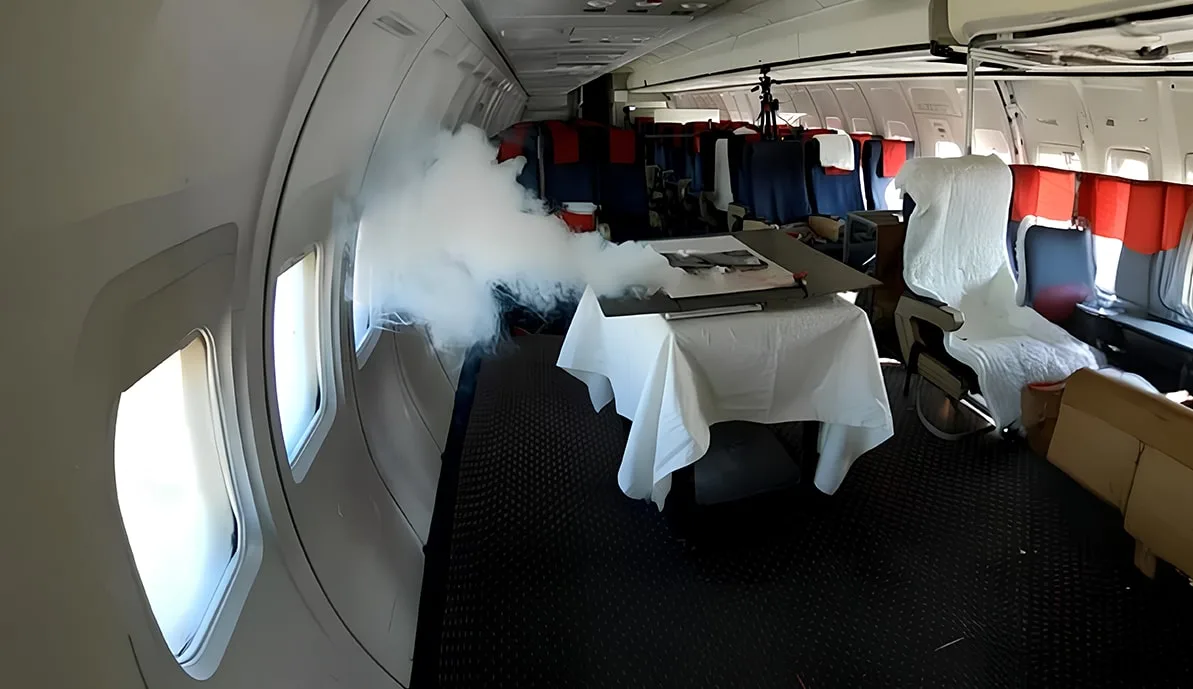
The devices meant to make modern life convenient are becoming airborne hazards. According to newly released data from the Federal Aviation Administration (FAA), lithium-ion battery fires on U.S. flights have surged dramatically, exposing a ticking time bomb hidden inside everything from smartphones to power banks and inverter batteries. Once hailed as clean and efficient energy storage, these batteries are now being linked to hundreds of onboard incidents, sparking serious questions about safety, regulation, and the actual cost of our dependence on portable power.
The FAA’s latest data paints a grim picture: lithium-ion batteries were involved in dozens of in-flight and airport fire incidents in the past year alone. The agency reports a steady rise in battery-related smoke and fire emergencies, marking one of the fastest-growing aviation safety concerns in the U.S. Each incident tells a similar story: a power bank overheating in a passenger’s carry-on, a vape pen igniting midair, a cargo package suddenly smouldering in the belly of an aircraft.
While most of these fires have been contained before catastrophe, aviation experts warn it’s only a matter of time before luck runs out. “Lithium-ion batteries are energy-dense devices that can enter what we call thermal runaway,” explains aviation safety analyst Mark Reynolds.
“Once that process starts, when the battery overheats or is punctured, it can’t be stopped. It becomes a self-sustaining fire that burns at extremely high temperatures.”
Even in controlled conditions, lithium fires are notoriously hard to extinguish. On a plane at 35,000 feet, surrounded by oxygen and confined passengers, a single battery failure can trigger panic and destruction.
The Hidden Danger of Everyday Devices
The root of the problem lies in our growing addiction to rechargeable technology. Each year, millions of lithium-ion cells are packed into devices we carry daily, such as laptops, phones, and e-cigarettes, as well as inverter batteries used for backup power in homes and small businesses. Many of these products, notably cheaper imports, cut corners on safety design, skipping essential features such as thermal fuses, flame retardants, or adequate insulation.
“The problem is not limited to cheap devices,” warns consumer safety advocate Rachel Porter. “Even reputable brands use lithium-ion cells that, when damaged, overcharged, or exposed to heat, can become deadly. The danger multiplies when unregulated or counterfeit batteries enter the market.”
Airline cabin crew have reported incidents where passengers’ devices suddenly caught fire mid-flight, forcing emergency landings. In some cases, overhead luggage bins have filled with smoke. These events, though rare, reveal how easily a small battery failure can escalate into a full-scale emergency.
A Regulatory Blind Spot
The FAA has imposed restrictions on lithium batteries for years, banning spare ones from checked luggage and limiting the size of those allowed in carry-ons. Yet, enforcement remains uneven, and public awareness is alarmingly low. Many passengers still pack high-capacity batteries in their luggage, unaware of the risk.
Equally troubling is the lack of strict oversight on the battery supply chain. The manufacturing of lithium cells is dominated by overseas facilities, where quality control can vary significantly.
“There’s no global consistency in how batteries are made or tested,” says Reynolds. “Some factories use cheaper separators and inferior materials, which increases the risk of internal short circuits and fires.”
The FAA’s data show that, even with current precautions, the number of incidents continues to rise, indicating that regulation alone is insufficient.
While the FAA’s findings focus on aviation, experts stress that the same defective technology poses a growing threat on the ground. Lithium-ion inverter batteries, increasingly standard in homes and solar energy systems, have been linked to numerous fire outbreaks in residential neighbourhoods and storage facilities.
When inverter batteries fail, they can explode with the same intensity seen in air travel incidents. The combination of high voltage, poor ventilation, and substandard manufacturing creates the perfect storm.
“If these batteries are unsafe in controlled airline environments,” Porter notes, “imagine the risk when they’re sitting next to children’s bedrooms or charging in garages without fire safeguards.”
The public perception of lithium-ion technology as a clean, reliable energy solution is now under scrutiny. The convenience it offers masks an environmental and safety crisis that regulators are only beginning to grasp.
Battery manufacturers and airlines have promised to enhance packaging, labelling, and detection systems. Some are investing in advanced battery chemistries designed to reduce flammability, such as solid-state alternatives. However, these technologies remain expensive and years away from mass adoption.
Until then, consumers remain the frontline defenders against battery-related disasters. The FAA urges travellers to store electronic devices carefully, avoid overcharging, and immediately report any smoke or unusual heat during flights. Experts recommend that homeowners using inverter batteries install smoke alarms, avoid overloading circuits, and purchase only certified products from reputable brands.
However, critics argue that these measures only address the symptoms of a deeper problem.
“We’re treating a global hazard with piecemeal solutions,” says Reynolds. “What’s needed is a radical rethinking of how we produce, regulate, and dispose of lithium batteries. Otherwise, we’re flying blind, literally.”
A Warning Ignored
Despite repeated incidents, the lithium battery crisis receives relatively little public attention considering its scale. The allure of clean energy and portable power continues to overshadow the reality of fires, chemical pollution, and human danger. As long as airlines continue to carry thousands of lithium-powered devices daily, and homes increasingly rely on inverter storage systems, the threat will persist, quietly humming beneath the surface of modern life.
The FAA’s warning is clear: without decisive action, the subsequent major lithium battery fire could end in tragedy.
For now, the skies remain safe only by vigilance and fortune. But as the data shows, the odds are tilting against us.
Read the Latest Battery News Shaping the Global Power Market
